Your Ultimate Guide to Meat Markets: Check Out the Best Cuts and Sustainable Selections
In today's cooking landscape, understanding meat markets can significantly improve the cooking experience. Various cuts of meat offer special tastes and textures, yet not all are created equivalent. Understanding just how to determine high quality items and the relevance of sustainability can change dish preparation. Furthermore, purchasing from regional sources sustains honest methods. As one navigates with the intricacies of meat option, several crucial considerations emerge that might influence their choices.
Comprehending Various Cuts of Meat
Recognizing the numerous cuts of meat is crucial for both cooking enthusiasts and professional cooks alike. Each cut of meat has its own distinct characteristics, affecting taste, food preparation, and texture methods. Cuts are typically classified right into primal areas such as rib, loin, round, and chuck, each producing certain sub-cuts like ribeye, tenderloin, and brisket.
For circumstances, the ribeye is recognized for its marbling and tenderness, making it ideal for grilling. In contrast, harder cuts like chuck call for sluggish cooking to soften. Understanding of these distinctions aids in picking the proper cut for different culinary applications. In addition, recognizing the anatomy of the pet offers insight right into how muscular tissue use impacts taste and texture. This fundamental expertise not just improves cooking skills yet additionally strengthens admiration for the craft of butchery and the quality of the meat itself.
Exactly How to Pick Quality Products
Selecting premium meat items is fundamental to accomplishing ideal flavor and texture in food preparation - bagleys edwardsville il. When selecting meat, one ought to try to find vibrant shade, which often suggests freshness; for example, beef ought to appear bright red, while pork ought to have a light pink color. Additionally, the marbling of fat within the meat plays an essential function in taste, specifically in cuts like ribeye or pork shoulder. The absence of any kind of off-putting smell is another indicator of high quality
Texture must really feel strong but a little yielding, recommending inflammation without being mushy. Consumers are motivated to examine the sell-by day to guarantee they are acquiring the freshest choices.

The Benefits of Buying Lasting and regional
While several customers may focus on price and convenience when buying meat, purchasing lasting and local products provides significant benefits that extend beyond simple business economics. Supporting local farmers and producers fosters neighborhood connections and reinforces the regional economic climate. This practice often causes fresher, higher-quality meat, as it takes a trip shorter ranges, minimizing the moment from farm to table.
Lasting meat manufacturing likewise focuses on honest farming practices, which can lead to far better animal well-being image source standards. Customers can really feel much more confident about the origins of their meat, knowing it sticks to humane therapy and ecological stewardship. In addition, local and lasting options frequently use fewer chemicals and prescription antibiotics, adding to healthier food options.
Essential Tips for Navigating Your Meat Market
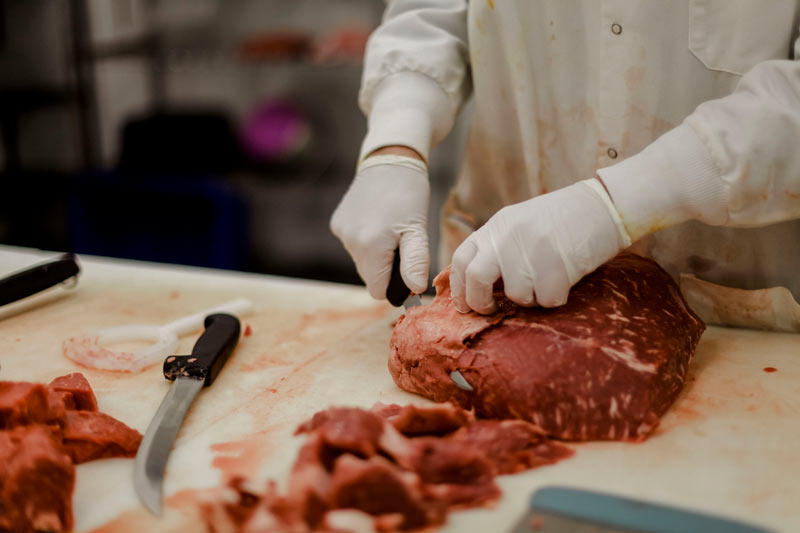
Maneuvering a meat market can be a frustrating experience for several shoppers, particularly with the selection of types, cuts, and sources available. To alleviate this process, one essential pointer is to familiarize oneself with usual cuts of meat and their uses. Recognizing the differences between, for example, sirloin and ribeye can help customers make educated options.
Additionally, engaging with the butchers can improve the shopping experience; asking questions about quality, sourcing, and prep work can offer beneficial understandings. It is additionally helpful to develop a budget plan before going shopping to stop overspending.
Consumers ought to not think twice to examine the meat carefully, inspecting for marbling, texture, and color, which suggest high quality (meat stores near me). Finally, going to the market throughout off-peak hours can result in an extra loosened up shopping experience, enabling time to discover and ask concerns without feeling hurried
Food Preparation Methods for Various Cuts

Furthermore, methods like roasting are perfect for bigger cuts, such as pork loin, making certain even cooking and enhanced flavor. Ground meats are flexible, suitable for various strategies including sautéing and baking. Food preparation techniques like sous-vide deal precision, specifically for delicate cuts, giving regular outcomes. Understanding these techniques allows home cooks to pick the most effective method, eventually enhancing the total dining experience. Each cut's integral top qualities are worthy of to be highlighted through thoughtful preparation and food preparation.
Often Asked Questions
What Are the very best Times to Visit a Meat Market?
The very best times to check out a meat market are early mornings, when fresh deliveries get here, and late afternoons, when suppliers commonly discount products nearing closing time. Weekends might additionally offer a wider choice and livelier environment.
How Can I Tell if Meat Is Ethically Sourced?
To identify if meat is morally sourced, one ought to look for certifications, ask about the ranch's methods, and examine the openness of the supply chain. Labels showing grass-fed or buy wagyu steak organic can also provide understanding.
Are There Vegetarian Options Available at Meat Markets?
Many meat markets supply vegetarian alternatives, such as plant-based sausages, veggie burgers, and fresh produce. These choices provide to diverse nutritional choices, making sure that all customers can locate something appropriate for their dishes.
What Should I Bring When Seeing a Meat Market?
When checking out a meat market, one should bring multiple-use bags for purchases, a cooler for carrying perishable items, a notepad for notes on prices or cuts, and cash or cards for efficient transactions.
Just how Do I Properly Shop Different Types of Meat at Home?
To effectively keep different sorts of meat, one need to refrigerate poultry and seafood at 32 ° F, red meat at 36 ° F, and warranty closed product packaging. Cold can expand shelf life, but appropriate thawing is vital prior to use.
Various cuts of meat offer unique flavors and structures, yet not all are created equivalent. Understanding the numerous cuts of meat is necessary for both expert cooks and cooking enthusiasts alike. Each cut of meat has its own unique features, affecting flavor, structure, and food preparation techniques. Navigating a meat market can be an overwhelming experience for lots of consumers, particularly with the selection of cuts, kinds, and sources available. Recognizing the ideal food preparation methods for various cuts of meat can raise any type of meal.